


Estimating Costs for Parking Lot Striping - Your Striping Cost Guide
- Shawn Hofstetter
- Mar 2
- 4 min read

When it comes to maintaining a commercial property, parking lot striping is a crucial task. It not only enhances the appearance of your property but also ensures safety and compliance with local regulations. However, understanding the costs involved can be tricky. In this striping cost guide, I’ll walk you through the key factors that influence pricing and help you get a clear picture of what to expect when budgeting for parking lot striping.
Understanding the Basics of Parking Lot Striping Cost Guide
Parking lot striping involves painting lines and markings on the pavement to designate parking spaces, traffic flow, handicap spots, and other important indicators. The cost depends on several factors, including the size of the lot, the type of paint used, and the complexity of the layout.
Here are some of the main elements that affect the cost:
Lot Size: Larger lots require more paint and labor, increasing the price.
Paint Type: Standard paint is cheaper but less durable. Thermoplastic or epoxy paints last longer but cost more.
Number of Spaces: More parking spaces mean more lines to paint.
Additional Markings: Handicap spots, directional arrows, and fire lanes add to the complexity.
Preparation Work: Cleaning, repairing cracks, or removing old paint can increase costs.
By understanding these factors, you can better estimate what your project might cost and avoid surprises.
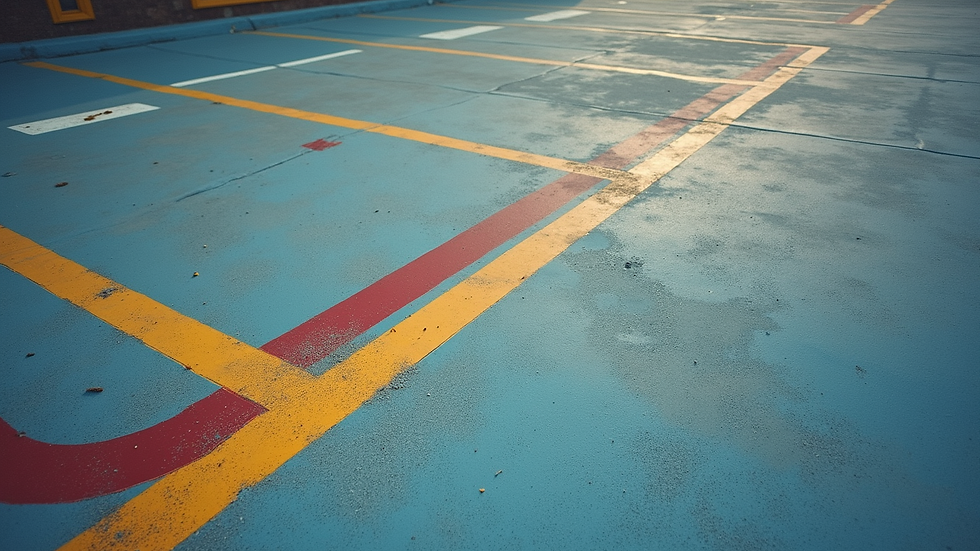
Factors That Influence Your Striping Cost Guide
Let’s dive deeper into the specific factors that impact your parking lot striping costs:
1. Size and Layout of the Parking Lot
The total square footage of your parking lot is the biggest cost driver. A small lot with 20 spaces will cost significantly less than a large lot with 200 spaces. Also, irregular layouts or lots with multiple entrances and exits require more detailed striping, which can increase labor time.
2. Paint Quality and Type
There are different types of paint used for striping:
Water-based paint: Affordable but wears out quickly.
Solvent-based paint: More durable and weather-resistant.
Thermoplastic: Long-lasting and highly visible but more expensive.
Epoxy: Extremely durable, often used in high-traffic areas.
Choosing the right paint depends on your budget and how long you want the striping to last.
3. Additional Markings and Features
Besides parking lines, you might need:
Handicap symbols
Fire lanes
Directional arrows
Loading zones
Crosswalks
Each additional marking adds to the cost because it requires extra time and precision.
4. Surface Preparation
If your parking lot has cracks, potholes, or old faded paint, preparation work is necessary. This might include:
Power washing
Crack filling
Removing old paint
Preparation ensures the new paint adheres properly and lasts longer but adds to the overall cost.
5. Frequency of Maintenance
Regular maintenance striping is cheaper than a full repaint after years of wear. Planning routine striping every 1-2 years can save money in the long run.
How to Get an Accurate Parking Lot Striping Estimate
Getting a reliable parking lot striping estimate is essential for budgeting. Here’s how to approach it:
Request Multiple Quotes: Contact several local striping companies to compare prices.
Provide Detailed Information: Share the size, layout, and any special requirements.
Ask About Paint Types: Understand what paint they use and the expected lifespan.
Check for Additional Fees: Some companies charge for preparation or travel.
Look for Experience: Choose a company familiar with local regulations and standards.
By doing your homework, you’ll get a fair price and quality service.

Tips to Save Money on Parking Lot Striping
While quality is important, there are ways to keep costs manageable:
Plan Ahead: Schedule striping during off-peak seasons or times to avoid rush fees.
Bundle Services: Combine striping with other maintenance like sealcoating for discounts.
Maintain Regularly: Frequent touch-ups prevent the need for costly full repaints.
Choose Durable Paint: Investing in better paint reduces how often you need to repaint.
Clear the Lot: Remove vehicles and debris before the crew arrives to speed up the job.
These simple steps can help you get the best value for your investment.
Why Professional Striping Matters for Your Property
Parking lot striping is more than just aesthetics. Proper striping:
Improves Safety: Clear markings reduce accidents and confusion.
Ensures Compliance: Meets ADA and fire code requirements.
Enhances Curb Appeal: A well-marked lot looks professional and inviting.
Increases Property Value: Well-maintained lots attract tenants and customers.
Hiring experienced professionals ensures the job is done right the first time, saving you headaches and extra costs later.
Planning Your Parking Lot Striping Project
Before you start, consider these steps:
Assess Your Lot: Measure the area and note any special features.
Set a Budget: Use this striping cost guide to estimate expenses.
Choose a Contractor: Look for local experts with good reviews.
Schedule the Work: Pick a time that minimizes disruption.
Prepare the Lot: Clear vehicles and clean the surface.
Good planning leads to smooth execution and a great final result.
Keeping Your Parking Lot Looking Great Long-Term
After striping, maintenance is key. Here’s what to do:
Regular Cleaning: Remove dirt and debris to keep lines visible.
Prompt Repairs: Fix cracks and potholes quickly.
Touch-Up Paint: Refresh faded lines before they become a problem.
Seasonal Checks: Inspect after winter or heavy rain.
Consistent care extends the life of your striping and protects your investment.
Parking lot striping is an important part of property upkeep that affects safety, compliance, and appearance. By understanding the factors that influence cost and following this striping cost guide, you can make informed decisions and keep your parking lot in top shape. Whether you have a small lot or a large commercial space, proper striping is a smart investment that pays off in many ways.


Comments